logo
ホーム > 製品 >
キャベルの故障検出器
>
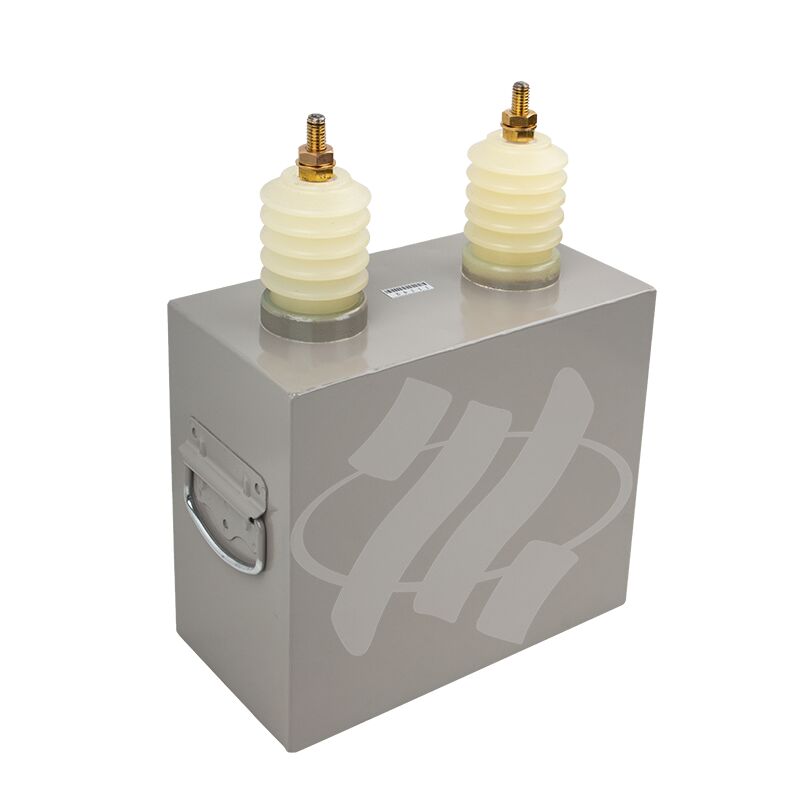
High Energy Storage with Rated capacity 4UF

High Energy Storage with Rated capacity 4UF

製品詳細:
起源の場所: 中国
ブランド名: XZH Test
証明: CE/ISO
モデル番号: XHCC4/35
詳細情報
起源の場所:
中国
ブランド名:
XZH Test
証明:
CE/ISO
モデル番号:
XHCC4/35
ハイライト:

High Light

ハイライト:

oil-based pulse capacitor 35kV

,

4UF pulse capacitor cable fault

,

high-voltage capacitor for fault locator

Trading Information
最小注文数量:
1uint
パッケージの詳細:
木製の箱
受渡し時間:
5-8勤務日
支払条件:
T/T
供給の能力:
2000ユニット/年
製品の説明

XHCC4/35


Overview
Utilizing imported films and a non-inductive winding design, the pulse energy storage capacitor delivers outstanding self-healing and explosion-proof capabilities. Its key advantages include robust structure, leak-free operation, eco-friendly properties, moisture and fire resistance, extended lifespan, as well as small footprint and light weight.
Applications
This pulse energy storage capacitor accumulates energy from low-power sources during scheduled charging cycles. On demand, it discharges the stored energy instantly in a split second, producing powerful impulse current and high impulse power. Ideal for use in high-voltage impulse discharge testing, high-energy physics, oscillation circuits, geological prospecting and related sectors.

High Energy Storage with Rated capacity 4UF 0


Precautions and Common Faults
1.  Strictly avoid impacting or bumping the pulse energy storage capacitor, as this may easily damage the internal film.
2.  When using the pulse energy storage capacitor, please read the instruction manual and the capacitor label to prevent overvoltage use.
3.  During use, pay attention to the voltage rating of the connecting wires and the safety distance.
4.  After the test is completed, the high-voltage terminal must be fully discharged.
5.  If there is an unusual noise inside the capacitor during use, it is recommended to stop using it, as there is a risk of internal insulation damage.
6.  If the capacitor casing shows bulging or protrusions, it is recommended to stop using it, as there is a risk of internal material deterioration and reduced insulation.